Kindred Peoples’ Research Awards 2026 went to Sámi researchers

Since 2012, the Committee of Kindred Peoples’ Programme has recognised outstanding academic works by Uralic scholars. The research papers are evaluated in two categories. This year, Sámi researchers received awards in both categories. “This demonstrates the growing prominence of Sámi scholars and the development of academic writing in Sámi,” said Helin Kask, Chair of the Committee.
Rethinking the Sámi Museum
The Uralic Studies Award was presented to Sámi researcher Áile Aikio for her doctoral thesis “Saamelainen museo? Tutkimus saamelaisen kulttuuriperinnön ontologisesta politiikasta” [“A Sámi Museum? A Study of the Ontological Politics of Sámi Cultural Heritage”].
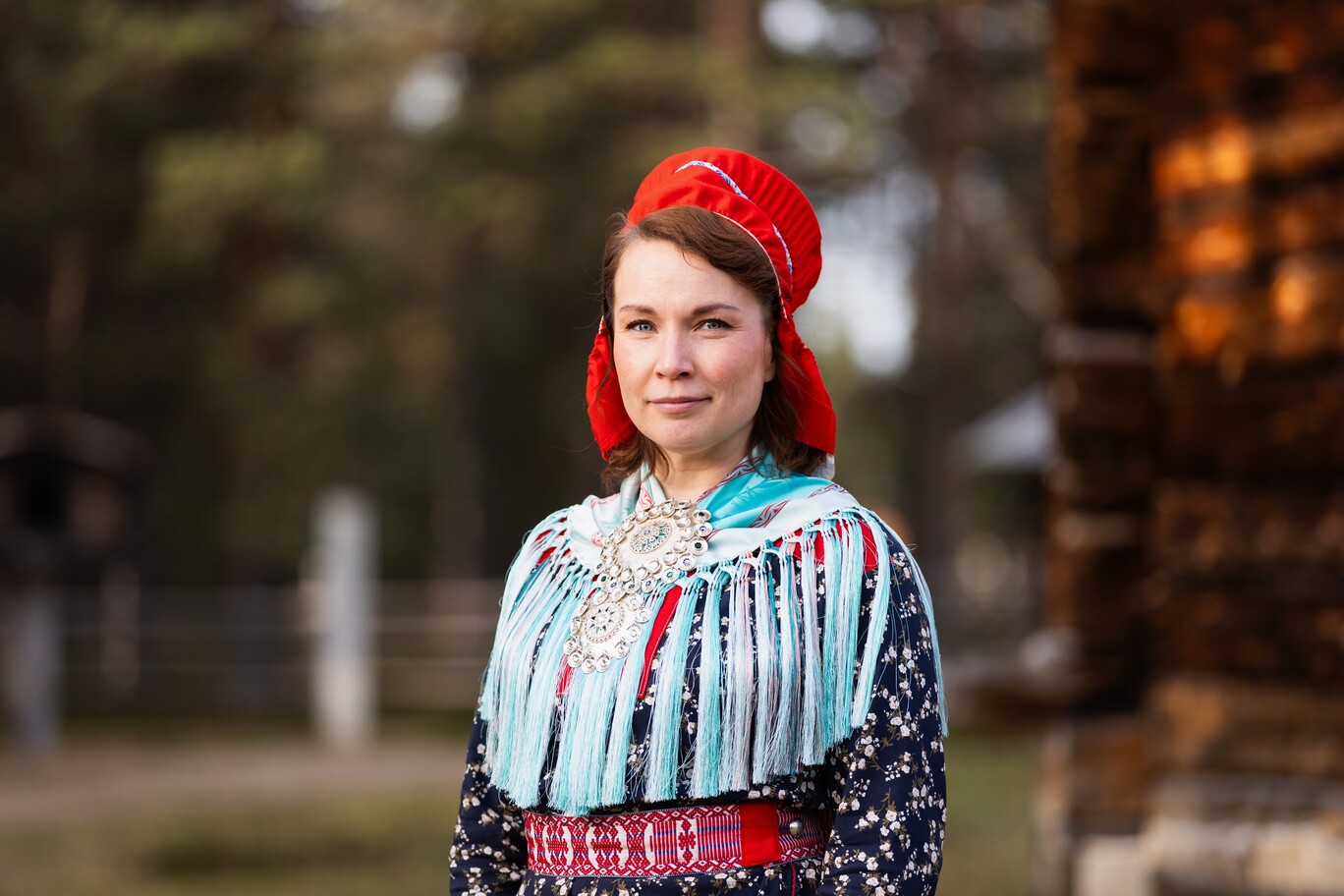
In her doctoral thesis, Áile Aikio critically examines key issues in museum studies, using the permanent exhibitions at the Siida Museum as a case study. “As an outsider, I initially thought that the Siida Museum’s first permanent exhibition was very good and culturally sensitive. However, as Aikio’s research reveals, the Sámi perspective tells a rather different story,” says Art Leete, Professor of Ethnology at the University of Tartu. “Aikio’s doctoral thesis clearly demonstrates how indigenous people can reclaim the right to represent themselves when developing permanent museum exhibitions. She also examines how indigenous perspectives relate to the approaches by non-indigenous museum professionals.”
“Although Aikio focuses specifically on the Sámi experience of decolonising museums and on how to make a museum more authentic to Sámi culture, her work has much wider relevance and provides an important platform for discussions in other museums as well,” says jury member Marju Kõivupuu. “Aikio’s research takes as its theoretical starting point the idea that cultural heritage is not something that exists independently, but something shaped through heritage practices. In this regard, museums play a particularly important role in shaping cultural heritage and its future.”
Aikio defended her doctoral thesis at the University of Lapland in 2023 and currently works as a postdoctoral researcher at the Centre of Excellence for Multibeing Justice in Indigenous Societies.
Changes and Vitality of the North Sámi Language
The Research Published in a Uralic Language Award recognises academic works in any field written in the languages of Uralic peoples who do not have their own state. Sierge Rasmus received this award for his thesis “Ohcejoga guovllu davvisámegiela nuppástuvvan 1950-logus 2020-lohkui” [“Changes in the North Sámi Language in the Ohcejohka region from the 1950s to the 2020s”].
In his research, Rasmus traces the development of North Sámi as spoken in northern Finland from the 1950s to the present day. He analyses changes in grammatical structures and relates them to factors such as language shift, multilingualism, the educational conditions of Sámi communities, and language revitalisation policies.
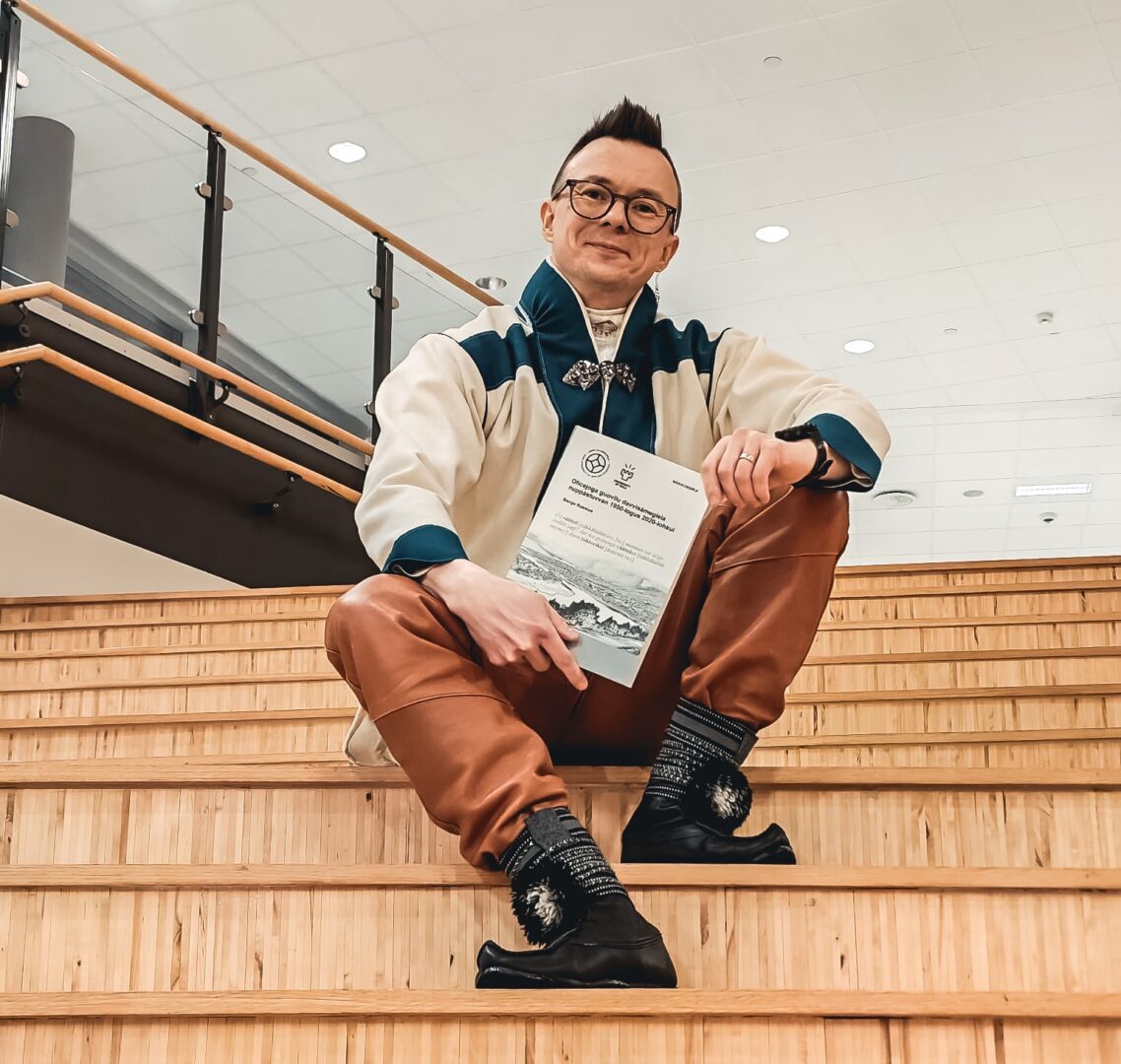
“Rasmus draws on both archival materials and contemporary data, allowing his study to cover an exceptionally wide range of speakers and linguistic and social changes documented over more than a century,” says jury member Rogier Blokland. “His descriptive approach is fresh, original, and exciting, as previous studies of North Sámi grammar have tended to be prescriptive. Rasmus shows that language change is a sign of vitality: it demonstrates that the language is being used. His research will undoubtedly contribute to a new, more descriptive grammar of North Sámi.”
Sierge Rasmus is very grateful for the recognition. “Before defending my doctoral thesis, I reflected a great deal of time on the significance of being able to write my dissertation in my native language. I already considered publishing an academic work in Sámi a major achievement. I could never have expected to receive an award like this for my work.”
Sierge Rasmus completed his joint PhD degree at the Sámi University of Applied Sciences and at the University of Oulu in 2025. He currently works as a senior advisor for the North Sámi language at Sámi Giellagáldu.
Reindeer Herder and Lexicographer
In the Research Published in a Uralic Language Award category, the jury also decided to give an honourable mention to Helena Omma for her dissertation, “Várri, duottar, vuopmi ja vuovdi Jiellevári ja Váissá guovlluid boazosámiid eananterminologiija polysemalaš sániid guorahallan” [“Várri, duottar, vuopmi and vuovdi – an examination of polysemous landscape terms used by reindeer herders in the Jiellevárri and Váisá regions”].
Through an analysis of topographic terminology, Omma investigates how reindeer herders conceptualise the land and landscape in which they live and work, as reflected in their everyday conversations. The thesis focuses on the Jiellevárri and Váisá regions of northern Jokkmokk), an area where several languages come into contact. For her analysis, she selected four landscape terms central to reindeer herding. These terms refer to different types of mountains and forests, but their meaning vary depending on the context
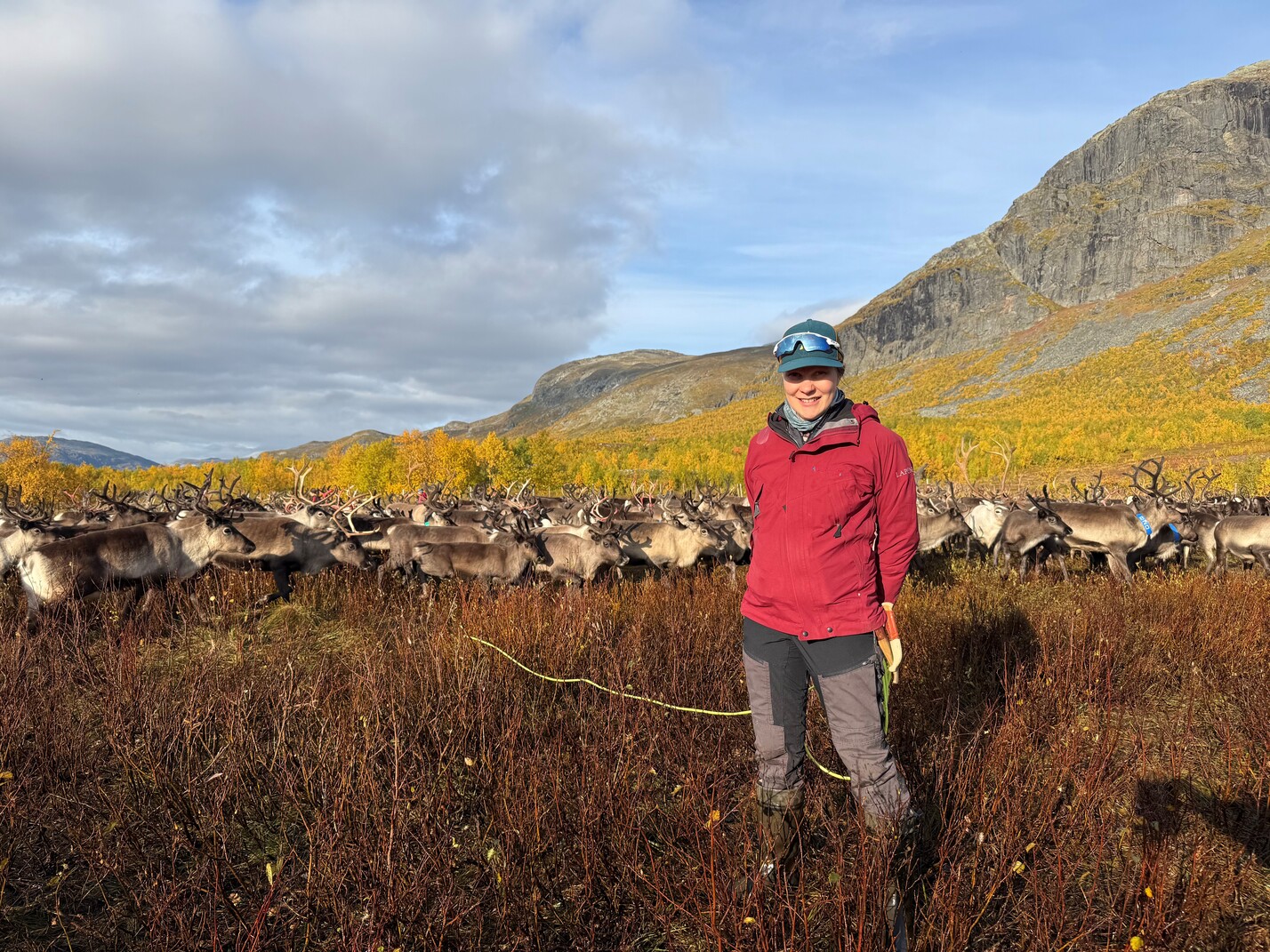
“The aim of Helena Omma’s research is not to determine the most original or correct meanings of these words, but to analyse how their use and meanings express Sámi cultural understandings and reflect diverse relationships with nature and land-use practices,” says jury member Sven-Erik Soosaar.
Omma is a reindeer herder herself. She emphasises that her research conveys the collective knowledge of reindeer herders in the area under study. Omma defended her doctoral thesis this year at the Sámi University of Applied Sciences and works as a lexicographer at UiT The Arctic University of Norway.
This year’s jury for the Kindred Peoples’ Programme Awards comprised Marju Kõivupuu (a folklorist and cultural historian, Associate Professor at Tallinn University), Sven-Erik Soosaar (linguist, Senior Researcher at The Institute of the Estonian Language), and Rogier Blokland (linguist, Professor of Finno-Ugric languages at Uppsala University). The total prize fund is 2,500 euros.